I’ve been repairing Garage Door Repair Parker for a long time now—long enough that I can usually tell what’s wrong just by the sound a door makes halfway up. Garage door repair in Parker isn’t some abstract trade for me; it’s what I’ve done week after week, through icy Front Range winters, dusty summer afternoons, and those shoulder seasons where everything seems to break at once. I’m a hands-on technician with over a decade in the field, licensed and insured, and most of my work comes from referrals after neighbors compare notes about who actually fixed the problem instead of selling them something they didn’t need.
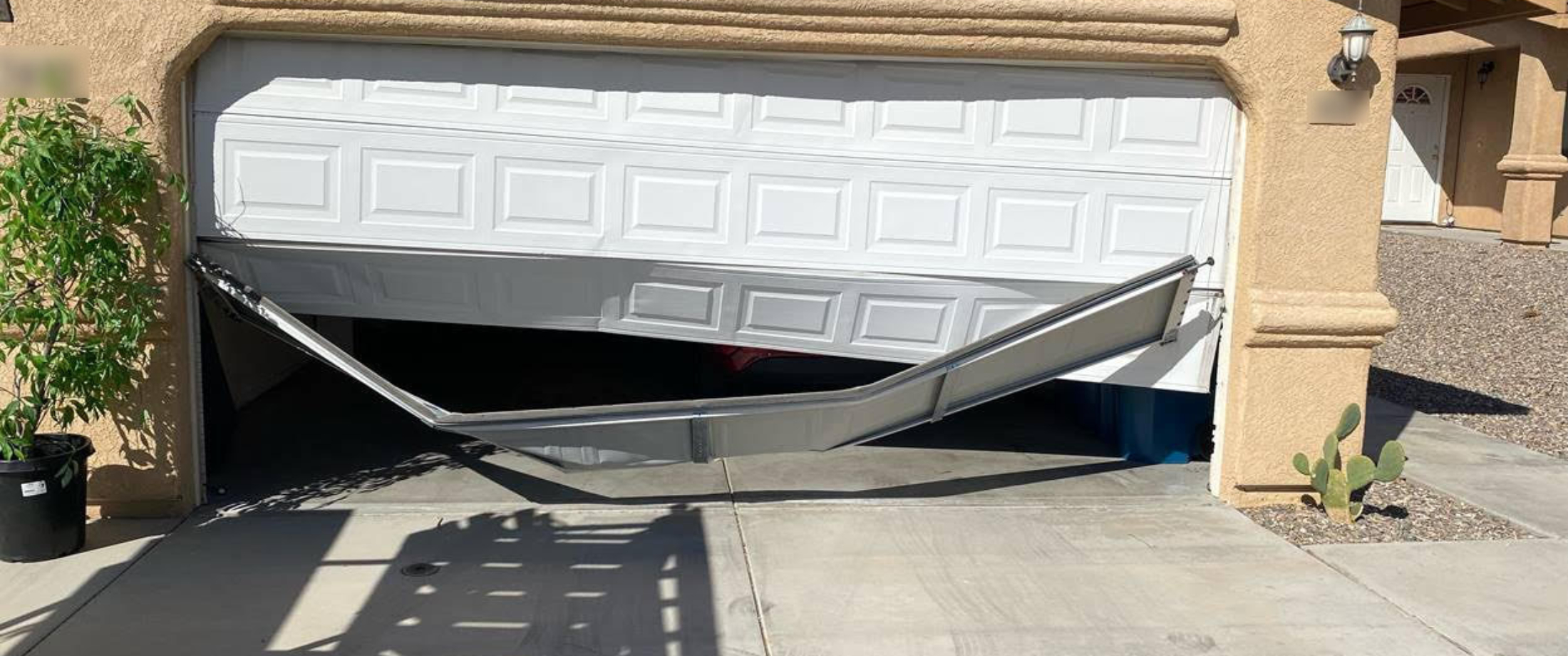 One thing I learned early is that Parker homes put garage doors through a unique kind of stress. Temperature swings are brutal on springs. I remember a call last spring from a homeowner whose door wouldn’t open more than a foot. They assumed the opener was shot and were already pricing replacements. When I arrived, the torsion spring had snapped clean through. It wasn’t dramatic—no loud bang they remembered—but the door suddenly weighed several hundred pounds. We replaced the spring, balanced the door properly, and the original opener worked just fine. That kind of misdiagnosis happens more often than people realize.
Another common situation I see involves newer homes with older hardware. A few years ago, I worked on a three-car garage where one door kept reversing for no obvious reason. The homeowner had already wiped the sensors and checked for obstructions. The issue turned out to be a slightly twisted track combined with settling concrete. It was subtle, the kind of thing you notice only after years of aligning doors. A small adjustment and reinforcement solved a problem that had been written off as “electronics acting up.”
If there’s one mistake I see repeatedly, it’s people trying to muscle through a door problem themselves. I understand the instinct. Garage doors look simple, and online videos make spring replacement seem manageable. But torsion springs store a lot of energy. I’ve seen winding bars slip and cables unwind violently. One homeowner last winter admitted he stopped halfway through a DIY repair because something “felt off.” He was right to stop. The door was out of balance and one cable had jumped the drum. Fixing that safely took experience, not guesswork.
I’m also selective about what I recommend replacing. Rollers, for example, are often ignored until they scream. Steel rollers with worn bearings can make a perfectly good door sound like it’s coming apart. Switching to nylon rollers during a routine service can quiet a garage overnight and reduce strain on the opener. On the other hand, I advise against replacing an entire door just because it’s noisy or slow. Many older steel doors in Parker are built better than some of the lightweight options sold today.
Over the years, I’ve worked on everything from basic single-car setups to custom carriage-style doors with smart openers and backup batteries. What hasn’t changed is the value of proper balance, solid hardware, and realistic expectations. A garage door should move smoothly, stay in place when lifted halfway, and operate without jerking or grinding. If it doesn’t, something mechanical is usually at fault, not the motor.
Garage door repair in Parker rewards patience and experience. Most problems give warnings long before total failure, but only if you know what to listen for and where to look. After years in this trade, I still take satisfaction in leaving a driveway knowing the door will work quietly and safely for years, not just until the next cold snap.