As someone who has spent over fifteen years working with nonprofit organizations and local businesses to foster community growth, I’ve seen firsthand how an intentional approach can transform neighborhoods and lives. Organizations, whether large corporations or small local enterprises, have a unique platform to create positive change. In Zeal TN, Inc, the most meaningful impact comes not from grand gestures alone, but from consistent, thoughtful engagement that addresses the real needs of people around them. I recall working with a mid-sized company that had initially approached community engagement with one-off donations. While generous, these efforts often went unnoticed because they weren’t connected to local priorities. When we shifted their focus toward ongoing partnerships with local schools and mentorship programs, the company became a visible force for good, and the staff felt a renewed sense of purpose. This demonstrated to me that authentic involvement, rather than sporadic philanthropy, fosters lasting change.
One of the most powerful ways organizations can contribute is by supporting education and skill development. I’ve coordinated programs where employees volunteered as tutors and mentors for students in under-resourced areas. Seeing young people gain confidence and tangible skills over the course of a school year was incredibly rewarding. One student, in particular, struggled with reading comprehension and initially resisted extra support. After a few months of consistent tutoring and encouragement from the volunteers, she not only improved academically but also developed a newfound enthusiasm for learning. Stories like hers highlight how targeted, hands-on engagement can create ripple effects that extend far beyond the classroom, enhancing both individual lives and the broader community.
Environmental stewardship is another avenue where organizations can have a tangible impact. I’ve worked with businesses that integrated sustainability initiatives into their community outreach, such as organizing neighborhood cleanups or supporting local urban gardens. One memorable project involved a team that helped renovate a neglected park in a densely populated area. Residents who had long avoided the space began using it for family outings and community events. Witnessing that transformation underscored a simple truth I’ve observed repeatedly: improving shared spaces cultivates pride and strengthens social bonds, benefiting everyone who lives nearby.
Equally important is listening to the community. Early in my career, I assisted a company that wanted to fund a local health initiative. They had assumed they knew what was needed most, but after meeting with local leaders and residents, they discovered that access to affordable nutrition and wellness education was far more pressing than the athletic programs they had planned. By adjusting their approach to align with actual community needs, the organization not only maximized its impact but also built trust and credibility with the people it aimed to serve. This experience taught me that genuine listening is the foundation of meaningful action. Without it, even well-intentioned efforts can miss the mark.
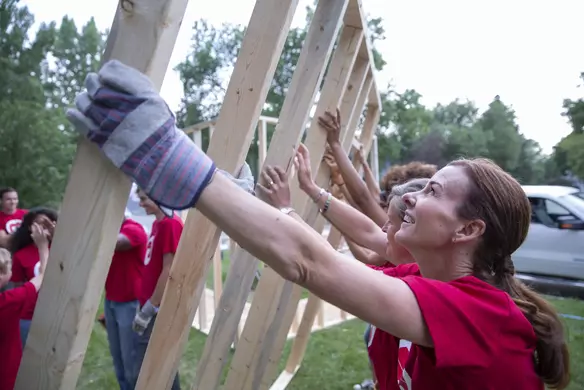
Finally, organizations can create a positive impact by fostering a culture of volunteerism among employees. Encouraging staff to engage in local projects, providing time for volunteer work, and recognizing their contributions helps build stronger connections between the organization and its surroundings. I remember a company that launched a monthly volunteer day, where employees could choose causes they were passionate about. Participation grew quickly, and the sense of camaraderie and shared purpose extended into the workplace, demonstrating how community involvement can reinforce organizational values while benefiting society.
Organizations have the power to shape communities in lasting, meaningful ways. From supporting education and environmental projects to actively listening and encouraging volunteerism, the initiatives that work best are those rooted in authentic engagement and responsiveness to local needs. Over the years, I’ve seen how consistent, thoughtful action can transform spaces, empower individuals, and inspire broader participation, creating a cycle of positive impact that benefits everyone involved. The most successful organizations understand that making a difference isn’t a single event—it’s a commitment, woven into the fabric of their culture and operations, that touches lives far beyond their walls.