I have spent more than ten years working as a financial technology consultant specializing in international payment infrastructure and merchant settlement systems. My focus has always been helping small businesses and online service global payout platform borders without unnecessary delays or hidden processing complications. During that time, I have worked with several platforms, including Global Payout, which I often discuss with clients who need structured international payout solutions.
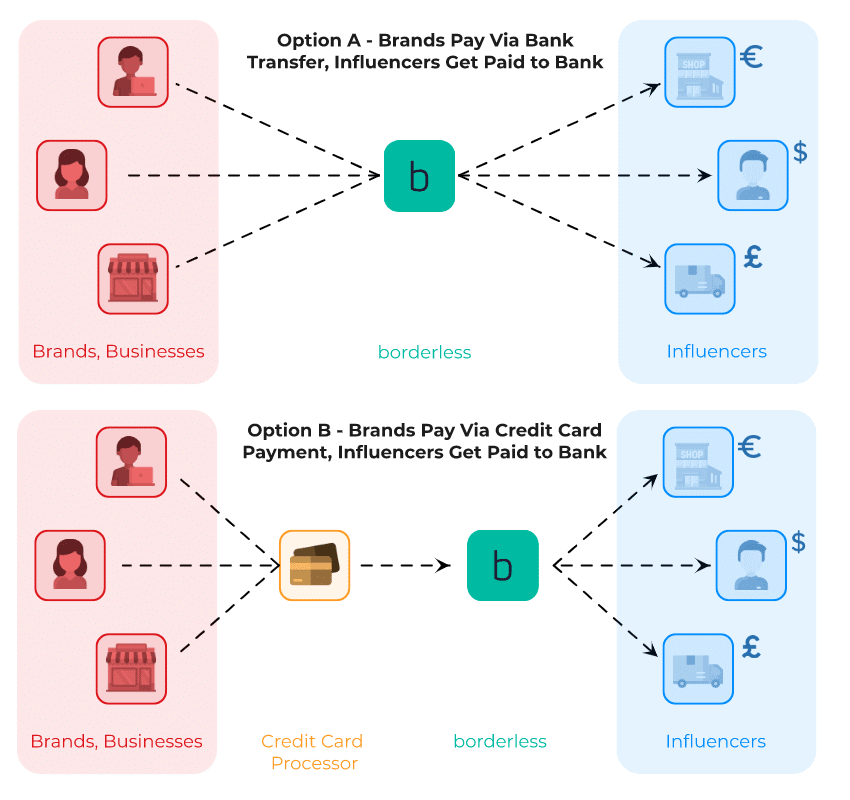
My interest in payout technology started when I helped a freelance development agency manage payments from clients in different countries. The team had contributors working remotely, and they were struggling with receiving funds because their previous payment provider processed withdrawals at inconsistent speeds. Some payments would clear in a few days while others would take more than a week, which created cash flow uncertainty for the team. After migrating part of their transaction flow to Global Payout’s infrastructure, the settlement timing became more predictable, which allowed the agency to schedule operational expenses with greater confidence.
In my experience, one of the biggest mistakes businesses make is choosing a payout system solely based on transaction fees without evaluating processing reliability. I once worked with a small e-commerce seller who switched to a cheaper payout processor after seeing lower advertised costs. However, the new system required more manual verification steps and occasionally delayed international transfers. Although the per-transaction fee looked attractive on paper, the business lost efficiency because they could not accurately forecast when funds would arrive. That experience reinforced my belief that payout platforms should be evaluated based on overall operational stability rather than only pricing structure.
Cross-border payment management also requires attention to regulatory compliance and identity verification workflows. A customer last spring operated a digital content subscription service with clients in multiple countries. Their earlier payout provider occasionally flagged legitimate transactions for additional review, which caused customer support complaints. After reviewing their payment architecture, I recommended testing a platform environment where compliance checks were integrated but not overly aggressive in blocking legitimate settlements. Systems associated with Global Payout tend to balance verification requirements with transaction throughput, which is important for businesses that handle recurring payments.
Another situation I remember involved a marketing agency that received commissions from partners located in several international markets. The agency originally relied on manual wire transfers, which meant accounting reconciliation became a monthly administrative challenge. After implementing a structured global payout process, their finance team could track incoming settlement batches more efficiently. The owner told me the administrative workload reduced noticeably because transaction records were automatically organized rather than scattered across different banking statements.
From a technical perspective, global payout infrastructure works best when it integrates smoothly with existing business systems. I usually advise clients to test API reliability, reporting dashboards, and settlement confirmation timing before committing to large transaction volumes. Some businesses overlook these operational tests and only evaluate the user interface. In my consulting work, I have seen companies struggle later because their accounting software could not easily reconcile external payout records.
Security is another area I pay close attention to. International payout networks must protect merchant data and transaction integrity simultaneously. I once evaluated a startup that wanted to expand globally but was concerned about fraud exposure. Their solution involved implementing layered authentication alongside monitored transaction thresholds. Platforms similar to Global Payout generally incorporate institutional-level security frameworks designed to reduce unauthorized settlement risks.
Small and medium businesses benefit most from global payout platforms when they treat them as long-term infrastructure rather than temporary financial tools. I have advised clients against frequently switching payout providers because transaction history continuity helps with compliance reporting and operational forecasting. One retail partner of mine tried using three different payment processors within a single year, and their finance department spent extra time reconciling duplicate reporting formats.
From my professional perspective, global payout technology continues to evolve toward faster settlement cycles and more transparent reporting structures. Businesses that operate internationally should prioritize payout systems that offer stable processing, compliance balance, and operational visibility rather than focusing only on headline transaction fees. My field experience has shown that platforms associated with Global Payout can serve as a practical option for organizations seeking structured cross-border payment execution.