- Welcome
Welcome….insect collectors…to the amazing world of insects! This website listing represents an incredible array of species. Whether you are a private collector or a staff taxonomist at a university collection, a novice that is attracted to the beauty of the insects or a curator at a major museum, we have the specimens for you. This website lists over 10,000 species and continues to grow almost daily. we are committed to supplying the scientific community, as well as the beginning collector, with specimens from around the world. You may feel confident in purchasing insects from Insects International, as all of our specimens have been, and will continue to be, legally imported and cleared with U.S.F.W.S. We hope you enjoy this website and we look forward to serving you in the future.
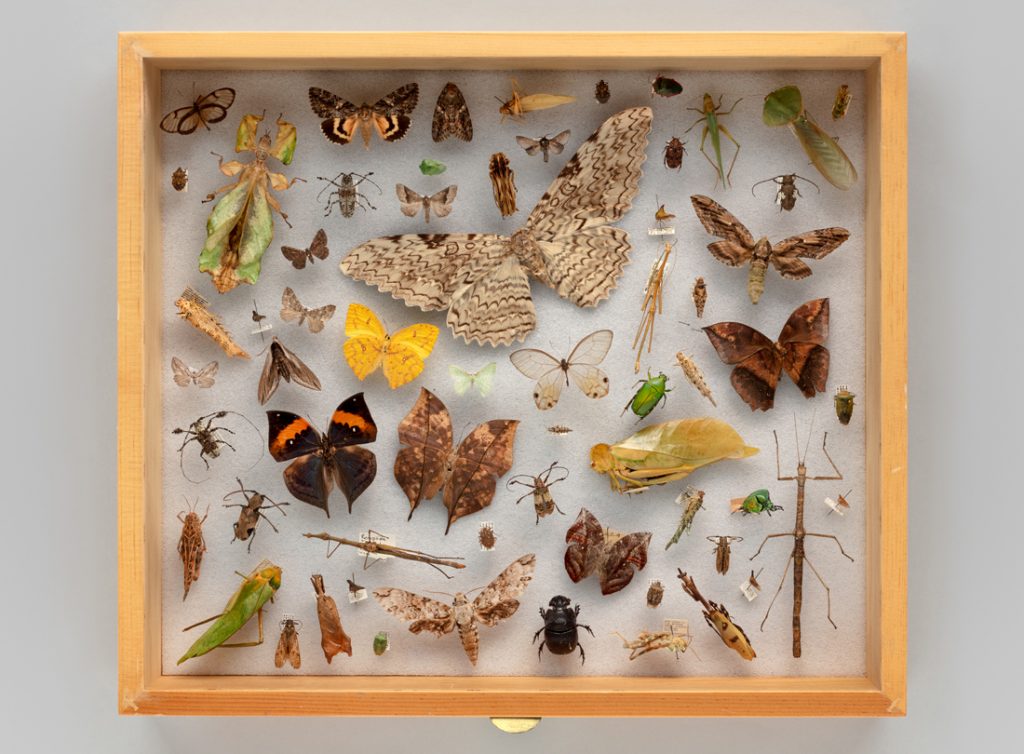 Insects are invertebrates, animals without backbones. They belong to a category of invertebrates called arthropods, which all have jointed legs, segmented bodies, and a hard outer covering called an exoskeleton. Two other well-known groups of arthropods are crustaceans, which include crayfish and crabs, and arachnids, which include spiders, ticks, mites, and scorpions. Many types of arthropods are commonly called bugs, but not every “bug” is an insect. Spiders, for example, are not insects, because they have eight legs and only two main body segments.
About Insects: About one million species of insects have been identified so far, which is about half of all the animals known to science. Insects live in almost every habitat on land. For example, distant relatives of crickets called rock crawlers survive in the peaks of the Himalayas by producing a kind of antifreeze that prevents their body fluids from freezing solid. At the other extreme are worker ants that forage for food in the Sahara Desert at temperatures above 47° C (116° F). Insects consume an enormous variety of food. In the wild, many eat leaves, wood, nectar, or other small animals, but indoors some survive on a diet of wool clothes, glue, and even soap. As a group, insects have only one important limitation: although many species live in fresh water—particularly when they are young—only a few can survive in the salty water of the oceans.
Insects are often regarded as pests because some bite, sting, spread diseases, or compete with humans for crop plants. Nevertheless, without insects to pollinate flowers, the human race would soon run out of food because many of the crop plants that we rely on would not be able to reproduce. Insects themselves are valued as food in most of the world, except among Western societies. They help to recycle organic matter by feeding on wastes and on dead plants and animals. In addition, insects are of aesthetic importance—some insects, such as dragonflies, beetles, and butterflies, are widely thought to be among the most beautiful of all animals.
II. Body  Insects range in length from the feathery-winged dwarf beetle, which is barely visible to the naked eye at 0.25 mm (0.01 in), to the walkingstick of Southeast Asia, which measures up to 50 cm (20 in) with its legs stretched out.
The vast majority of insects fall into the size range of 6 to 25 mm (0.25 to 1 in). The heaviest member of the insect world is the African goliath beetle, which weighs about 85 g (3 oz)—more than the weight of some birds.
Regardless of their size, all adult insects have a similar body plan, which includes an exoskeleton, a head, a thorax, and an abdomen. The exoskeleton protects the insect, gives the body its form, and anchors its muscles. The head holds most of an insect’s sensory organs, as well as its brain and mouth. The thorax, the body segment to which wings and legs are attached, is the insect’s center of locomotion. An insect’s large, elongated abdomen is where food is processed and where the reproductive organs are located.
A. Exoskeleton  Like other arthropods, an insect’s external skeleton, or exoskeleton, is made of semirigid plates and tubes. In insects, these plates are made of a plasticlike material called chitin along with a tough protein. A waterproof wax covers the plates and prevents the insect’s internal tissues from drying out.
Insect exoskeletons are highly effective as a body framework, but they have two drawbacks: they cannot grow once they have formed, and like a suit of armor, they become too heavy to move when they reach a certain size. Insects overcome the first problem by periodically molting their exoskeleton and growing a larger one in its place. Insects have not evolved ways to solve the problem of increasing weight, and this is one of the reasons why insects are relatively small.
B. Head An insect obtains crucial information about its surroundings by means of its antennae, which extend from the front of the head, usually between and slightly above the insect’s eyes. Although antennae are sometimes called feelers, their primary role is to provide insects with a sensitive sense of smell. Antennae are lined with numerous olfactory nerves, which insects rely on to smell food and detect the pheromones, or odor-carrying molecules, released by potential mates. For example, some insects, such as ants and honey bees, touch antennae to differentiate nest mates from intruders and to share information about food sources and danger. The antennae of mosquitoes can detect sounds as well as odors.
Antennae are composed of three segments, called the scape, pedicel, and flagellum. They may have a simple, threadlike structure, but they are often highly ornate. Some male giant silkworm moths, for example, have large, finely branched antennae that are capable of detecting pheromones given off by a female several miles away.
An insect’s head is typically dominated by two bulging eyes, which are called compound eyes because they are divided into many six-sided compartments called ommatidia. All of an insect’s ommatidia contribute to the formation of images in the brain. Insect eyes provide a less detailed view of the world than human eyes, but they are far more sensitive to movement. Insects with poor vision, such as some worker ants, often have just a few dozen ommatidia in each eye, but dragonflies, with more than 20,000 ommatidia, have very keen vision—an essential adaptation for insects that catch their prey in midair.
Most flying insects also have three much simpler eyes, called ocelli, arranged in a triangle on top of the head. The ocelli can perceive light, but they cannot form images. Clues provided by the ocelli about the intensity of light influence an insect’s level of activity. For example, a house fly whose ocelli have been blackened will remain motionless, even in daylight.
The head also carries the mouthparts, which have evolved into a variety of shapes that correspond to an insect’s diet. Grasshoppers and other plant-eating insects have sharp-edged jaws called mandibles that move from side to side rather than up and down. Most butterflies and moths, which feed mainly on liquid nectar from flowers, do not have jaws. Instead, they sip their food through a tubular tongue, or proboscis, which coils up when not in use. Female mosquitoes have a piercing mouthpart called a stylet. House flies have a spongy pad called a labellum that dribbles saliva onto their food. The saliva contains enzymes that break down the food, and once some of the food has dissolved, the fly sucks it up, stows away the pad, and moves on.
C. Thorax The thorax, immediately behind the head, is the attachment site for an insect’s legs and wings. Adult insects can have one or two pairs of wings—or none at all—but they almost always have six legs. In some insects, such as beetles, the legs are practically identical, but in other insects each pair is a slightly different shape. Still other insects have specialized leg structures. Examples are praying mantises, which have grasping and stabbing forelegs armed with lethal spines, and grasshoppers and fleas, which have large, muscular hind legs that catapult them into the air. Mole crickets’ front legs are modified for digging, and backswimmers have hind legs designed for swimming.
Special adaptations of insect legs help small insects perch on flowers and leaves. House flies and many other insects have a pair of adhesive pads consisting of densely packed hairs at the tip of each leg. Glands in the pads release an oily secretion that helps these insects stick to any surface they land on. These adaptations permit house flies to walk upside down on the ceiling and climb up a smooth windowpane.
Insects are the only invertebrates that have wings. Unlike the wings of birds, insect wings are not specially adapted front limbs; instead, they are outgrowths of the exoskeleton. Insect wings consist of a double layer of extremely thin cuticle, which is interspersed with hollow veins filled with either air or blood. The wings of butterflies and moths are covered by tiny, overlapping scales, which provide protection and give wings their characteristic color. Some of these scales contain grains of yellow or red pigments. Other scales lack chemical pigments but are made up of microscopic ridges and grooves that alter the reflection of light. When the light strikes these scales at certain angles, they appear to be blue or green.
Unlike the legs, an insect’s wings do not contain muscles. Instead, the thorax acts as their power plant, and muscles inside it lever the wings up and down. The speed of insect wing movements varies from a leisurely two beats per second in the case of large tropical butterflies to over 1,000 beats per second in some midges—so fast that the wings disappear into a blur. When an insect’s wings are not in use, they are normally held flat, but for added protection, some species fold them up and pack them away. In earwigs, the folding is so intricate that the wings take many seconds to unpack, making take-off a slow and complicated business.
In addition to the legs and wings, the thorax contains part of an insect’s digestive tract, which runs along the full length of an insect’s body. The first section of the digestive tract is called the foregut. In many insects, the foregut contains structures called the crop and the gizzard. The crop stores food that has been partially broken down in the mouth, and the gizzard grinds tough food into fine particles.
D. Abdomen Behind the thorax is the abdomen, a part of the body concerned chiefly with digestion and reproduction. The abdomen contains two sections of the digestive tract: the midgut, which includes the stomach, and the hindgut, or intestine. In all insects, a bundle of tubelike structures called the Malpighian tubules lies between the midgut and the hindgut. These tubules remove wastes from the blood and pass them into the intestine.
The abdomen holds the reproductive organs of both male and female insects. In males, these typically include a pair of organs called testes, which produce sperm, and an organ called the aedeagus, which deposits packets of sperm, called spermatophores, inside the female. Many male insects have appendages called claspers, which help them stay in position during mating.Female insects typically have an opening in the abdomen called an ovipore, through which they receive spermatophores. In most females, this genital chamber is connected to an organ called the spermatheca, where sperm can be stored for a year or longer. Females also have a pair of ovaries, which produce eggs, and many female insects have an ovipositor, which can have a variety of forms and is used to lay fertilized eggs. Among some females, such as infertile bees, the ovipositor functions as a stinger instead of as a reproductive organ.
The abdomen is divided into 10 or 11 similar segments, connected by flexible joints. These joints make the abdomen much more mobile than the head or thorax; it can stretch out like a concertina to lay eggs, or bend double to jab home its sting. In many insects, the last segment of the abdomen bears a single pair of appendages called cerci. Cerci are thought to be sensory receptors, much like antennae, although in some insects they may play a role in defense.
III. Body Functions Like other animals, insects absorb nutrients from food, expel waste products via an excretory system, and take in oxygen from the air. Insect blood circulates nutrients and removes wastes from the body, but unlike most animals, insect blood plays little or no part in carrying oxygen through the body. Lacking the oxygen-carrying protein called hemoglobin that gives the blood of humans and many other animals its red color, insect blood is usually colorless or a watery green. For oxygen circulation, insects rely on a set of branching, air-filled tubes called tracheae. These airways connect with the outside through circular openings called spiracles, which are sometimes visible as tiny “portholes” along the abdomen. From the spiracles, the tracheae tubes reach deep inside the body, supplying oxygen to every cell. In small insects, the tracheal system works passively, with oxygen simply diffusing in. Larger insects, such as grasshoppers and wasps, have internal air sacs connected to their tracheae. These insects speed up their gas exchange by squeezing the sacs to make them suck air in from outside.
Instead of flowing through a complex network of blood vessels, an insect’s blood travels through one main blood vessel, the aorta, which runs the length of the body. A simple tube-like heart pumps blood forward through the aorta, and the blood makes its return journey through the body spaces. Compared to blood vessels, these spaces have a relatively large volume, which means that insects have a lot of blood. In some species, blood makes up over 30 percent of their body weight, compared to only 8 percent in humans. The pumping rate of their hearts is widely variable because insects are cold-blooded—meaning that their body temperature is determined by the temperature of their environment. In warm weather, when insects are most active, an insect heart may pulse 140 times each minute. In contrast, during extremely cold weather, insect body functions slow down, and the heart may beat as slowly as a single pulse per hour.
In the digestive system of insects, the foregut stores food and sometimes breaks it down into small pieces. The midgut digests and absorbs food, and the hindgut, sometimes working together with the Malpighian tubules, manages water balance and excretion. This three-part digestive system has been adapted to accommodate highly specialized diets. For example, fluid-feeders such as butterflies have a pumplike tube in their throats called a pharynx that enables them to suck up their food. Most of these fluid-feeders also have an expandable crop acting as a temporary food store. Insects that eat solid food, such as beetles and grasshoppers, have a well-developed gizzard. Armed with small but hard teeth, the gizzard cuts up food before it is digested. At the other end of the digestive system, wood-eating termites have a specially modified hindgut, crammed with millions of microorganisms. These helpers break down the cellulose in wood, turning it into nutrients that termites can absorb. Since both the microorganisms and the termites benefit from this arrangement, it is considered an example of symbiosis.
Insects have a well-developed nervous system, based on a double cord of nerves that stretches the length of the body. An insect’s brain collects information from its numerous sense organs, but unlike a human brain, it is not in sole charge of movement. This is controlled by a series of nerve bundles called ganglia, one for each body segment, connected by the nerve cord. Even if the brain is out of action, these ganglia continue to work.
IV. Reproduction and Metamorphosis A small number of insects give birth to live young, but for most insects, life starts inside an egg. Insect eggs are protected by hard shells, and although they are tiny and inconspicuous, they are often laid in vast numbers. A female house fly, for example, may lay more than 1,000 eggs in a two-week period. As with all insects, only a small proportion of her young are likely to survive, but when conditions are unusually favorable, the proportion of survivors shoots up, and insect numbers can explode. In the 1870s, one of these population explosions produced the biggest mass of insects ever recorded: a swarm of locusts in Nebraska estimated to be over 10 trillion strong.In all but the most primitive insects, such as bristletails, the animal that emerges from the egg looks different from its parents. It lacks wings and functioning reproductive organs, and in some cases, it may not even have legs. As they mature, young insects undergo a change of shape—a process known as metamorphosis.
Most insects undergo one of two varieties of metamorphosis: incomplete or complete. Dragonflies, grasshoppers, and crickets are among the insects that experience incomplete metamorphosis. In these insects, the differences between the adults and the young are the least marked. The young, which are known as nymphs (or naiads in the case of dragonflies), gradually develop the adult body shape by changing each time they molt, or shed their exoskeleton. A nymph’s wings form in buds outside its body, and they become fully functional once the final molt is complete.
Insects that undergo complete metamorphosis include butterflies, moths, beetles, bees, and flies. Among these species the young, which are called larvae, look completely different from their parents, and they usually eat different food and live in different environments. After the larvae grow to their full size, they enter a stage called the pupa, in which they undergo a drastic change in shape. The body of a pupating insect is confined within a protective structure. In butterflies, this structure is called a chrysalis, and in some other insects the structure is called a chamber or a cocoon. The larva’s body is broken down, and an adult one is assembled in its place. The adult then breaks out of the protective structure, pumps blood into its newly formed wings, and flies away.
Once an insect has become an adult, it stops growing, and all its energy goes into reproduction. Insects are most noticeable at the adult stage, but paradoxically, it is often the briefest part of their life cycles. Wood-boring beetles, for example, may spend over a decade as larvae and just a few months as adults, while adult mayflies live for just one day.
For most adult insects, the first priority is to find a partner of the opposite sex. Potential partners attract each other in a variety of ways, using sounds, scent, touch, and even flashing lights, as in the case of fireflies. For animals that are relatively small, some insects have a remarkable ability to produce loud sounds. The calls of some cicadas and crickets, for example, can be heard more than 1.6 km (1 mi) away. As with other methods of communication, each species has its own call sign, or mating call, ensuring that individuals locate suitable mates.
In some species, females seek out males, but in others the roles are reversed. Male dragonflies and butterflies often establish territories, fending off rival males and flying out to court any female that enters their airspace. Like most land animals, most insects have internal fertilization, which means the egg and sperm join inside the body of the female. This process differs from external fertilization, in which a male fertilizes eggs that have already been laid by the female, typically in water. Some species achieve fertilization without direct contact between mating partners. For example, among insects called firebrats, males deposit spermatophores on the ground, and females find the spermatophores and insert them into their receptacles, or gonopores. But among most insects, males and females have to physically pair up in order to mate. In some carnivorous species, in which the males tend to be smaller than females, males run the risk of being eaten during the mating process. Male empid flies protect against this fate by presenting their mating partners with a gift of a smaller insect, which the female eats during copulation. By contrast, male praying mantises approach their mates empty-handed, and while mating is taking place, a female will sometimes eat her partner, beginning with his head.
Egg-laying behavior varies widely among different insect groups. Female walkingsticks simply scatter their eggs as they move about, but most female insects make sure that their eggs are close to a source of food. In some species, females insert their eggs into the stems of plants, and a few species, such as the American burying beetle, deposit their eggs in the tissue of dead animals. An unusual egg-laying behavior is shown by some giant water bugs, in which females glue their eggs to the backs of males after mating. Among some insects, such as cockroaches and grasshoppers, eggs are enclosed in a spongy substance called an ootheca, or egg-mass.
A few insect species have developed parthenogenesis—a form of reproduction that side-steps the need for fertilization. In one form of parthenogenesis, the half-set of chromosomes within an unfertilized egg is duplicated, and the egg then develops as if it had been fertilized. Parthenogenetic females do not have to mate, so they can breed the moment environmental conditions are right. This method of reproduction is common in aphids and other small insects that feed on plant sap. Most use it to boost their numbers in spring, when food is easy to find. In late summer, when their food supply begins to dwindle, they switch back to sexual reproduction.
- Strength in Motion: Muscle Movers LLC Las Vegas Edition
The human body is comprised of thousands of muscle mass that need to operate in conformity with one another to permit proper motion. While many of these muscular tissues are tiny and operate in coordination with others, there are a couple of significant muscle mass that are largely in charge of certain motions, referred to as prime moving companies. Prime movers are generally located in the top and reduced extremities, yet likewise can be found throughout the body.
Muscular tissue Moving companies Muscle Movers LLC Las Vegas is a complete moving business that supplies local and far away actions, packing services, and cleaning assistance. Their experienced group is devoted to finishing jobs in a timely manner and within budget plan, while giving superb client service. Their staff is very trained to handle every one of your moving demands, and they take great care of each client’s ownerships while working on their behalf.
Jerad Poling ’08, founder and chief executive officer of College Muscular tissue Movers, will certainly talk to the Entrepreneurship Culture during convo hour today, Tuesday, April 13, in Area 114, McNeely Hall. Poling began College Muscle Movers while he was a pupil at St. Thomas, gaining a service economics degree. The business now utilizes virtually 300 individuals and offers a distinct, physical, on-demand labor remedy for firms, event coordinators, and individuals looking to move heavy products in a tight space.
Zach is a very skilled and industrious specialist. He is really personable and takes terrific satisfaction in his work. He works quickly and has the most effective tools in the market. I highly suggest him for your following job.
Stamina in Motion: Muscle Mass Movers LLC – Las vega Version” seems like an energised and vibrant health and fitness solution customized for the vivid ambience of Las vega! With that title, I visualize a team of fitness specialists who specialize in assisting customers achieve their physical fitness objectives via personalized training programs and inspiring workouts. Whether it’s strength training, cardio, versatility, or a mix of all three, this firm appears dedicated to maintaining their clients moving on towards much better fitness and health. The Las Vegas Edition recommends they may provide distinct services or experiences that satisfy the power and way of living of the city, possibly incorporating components of enjoyment or themed workouts. Overall, it seems like a fantastic principle for any person aiming to get healthy and energetic in Las vega
- How Accounting Services Can Add Value to Your Business
Accounting services are the cornerstone of business financial management, ensuring that financial records are accurate, organized and compliant with regulations. But despite their reputation for number crunching and record keeping, an accountant’s role in the organization is much more diverse than that. Many modern accounting firms offer consulting and advisory services that delve into the data behind a company’s performance, helping them make informed decisions and give guidance to help the business grow.
Whether it’s to improve record processes, produce better data to equip you to achieve your vision or reduce operational expenses and free up resources for growth, an experienced accounting service provider can add value to your business in many ways. But how do you choose the right partner for your business needs?
A full-service accounting firm will have a team get started today of highly educated and professional bookkeepers, accountants and auditors. They will take care of all your accounting and tax management needs, allowing you to focus on growing your business and hitting your short- and long-term goals.
The efficiencies that come with an expert accounting service will enable you to hire more staff and save money overall, giving your business a competitive advantage. A well-chosen accounting firm will also provide you with valuable insight and guidance that can help you manage your cash flow, forecast revenue and growth, optimize your pricing model and more.
In addition to streamlining processes, a reputable accounting firm can take on additional tasks that would otherwise be burdensome for your team to complete in-house. For example, an accounting firm will be able to handle invoicing and collection calls, tracking daily sales records and reconciling accounts, helping you avoid common problems that can plague in-house billing teams like missing or inaccurate invoices.
Another essential function that an accounting firm can provide is a valuation report for your business. Whether you are looking to sell your business or seeking financing, an experienced accounting firm will use your industry data and past performance to determine a fair value for your company.
As a result of an efficient and streamlined accounting process, you will be able to access your financial records whenever needed. This will allow you to monitor your progress and make strategic decisions based on the most up-to-date information available.
Considering the complex, ever-changing nature of business operations and finance, it’s not unreasonable to believe that you will encounter challenges from time to time. A trustworthy accounting firm will be able to spot issues before they become larger problems and advise you on how to best proceed.
Ultimately, a good accounting firm can provide you with the confidence and support that you need to ensure your business’s long-term success. With a dedicated team of professionals, you can focus on your business goals and leave the rest to a reputable and trusted accounting firm.
- Unveiling Amazing Escapes Boise Idaho: Your Ultimate Adventure Awaits!
Exploring Boise: A Gateway to Adventure
Boise, the capital city of Idaho, serves as the perfect gateway to thrilling escapades and outdoor adventures. From scenic trails to historic landmarks, Boise offers a diverse array of attractions guaranteed to captivate your senses and ignite your sense of adventure.
Boise River Greenbelt: Stretching over 25 miles along the scenic Boise River, the Boise River Greenbelt is a haven for outdoor enthusiasts. Whether you prefer biking, hiking, or simply strolling amidst nature’s beauty, this picturesque trail offers the perfect escape from the hustle and bustle of city life.
Table Rock: For panoramic Amazing Escapes Boise Idaho views of the city and beyond, venture to Table Rock, a prominent landmark overlooking Boise. Hike to the summit and be rewarded with breathtaking vistas of the surrounding landscape, including the iconic Boise skyline and rolling foothills.
Immersive Cultural Experiences
Beyond its natural wonders, Boise boasts a vibrant cultural scene that celebrates art, history, and community spirit. Explore the city’s rich heritage through its museums, galleries, and cultural festivals, offering insights into Boise’s past and present.
Boise Art Museum: Dedicated to enriching the community through art and creativity, the Boise Art Museum showcases a diverse collection of contemporary and historical artworks. From thought-provoking exhibitions to hands-on workshops, there’s always something inspiring to discover at BAM.
Old Idaho Penitentiary: Step back in time and explore the fascinating history of Idaho’s oldest prison at the Old Idaho Penitentiary. Delve into tales of notorious inmates, daring escapes, and the daily lives of prisoners through engaging exhibits and guided tours.
Culinary Delights and Local Flavors
No visit to Boise is complete without indulging in its vibrant culinary scene, brimming with farm-to-table eateries, craft breweries, and artisanal cafes. Savor the flavors of Idaho with fresh, locally sourced ingredients and innovative culinary creations.
- What are the best outdoor activities in Amazing Escapes Boise Idaho?
- Answer: Some of the top outdoor activities include hiking along the Boise River Greenbelt, exploring Table Rock for stunning views, and enjoying water sports on the Boise River.
- Are there family-friendly attractions in Boise?
- Answer: Absolutely! Families can enjoy visiting Zoo Boise, the Discovery Center of Idaho, and the World Center for Birds of Prey for educational and entertaining experiences.
- What are the best outdoor activities in Amazing Escapes Boise Idaho?
- What is the purpose of relocation?
Relocating to a brand-new home or office can be an overwhelming job, full of stress and anxiety and unpredictability. However, with the ideal relocating services, the procedure can be streamlined and made problem-free. At Doyle Relocating Providers, we understand the significance of a smooth transition, and we’re here to make your step smooth and effective.
Expert Packing Solutions for a Worry-free Move
Among the most complicated elements of relocating is the packaging process. Our team of knowledgeable professionals concentrates on professional packaging options to make sure that your valuables are securely and securely transported to your brand-new place. From delicate items to large furniture, we manage it all with treatment and precision, providing you assurance throughout the relocating process.
Efficient Transportation Services
With Doyle Relocating Services, you can trust that your items will be delivered safely and successfully to your brand-new destination. Our fleet of modern moving vehicles is furnished with cutting edge technology to make certain prompt delivery and safe and secure transport. Whether you’re moving in your area or long-distance, we have actually got you covered with our dependable transport solutions.
Customized Moving Strategies to Fit Your Requirements
We recognize that every relocation is unique, which is why we offer customized relocating plans to match your certain needs. Whether you’re moving a studio apartment or a big office, our group will work carefully with you to develop a customized relocating plan that satisfies your demands and spending plan. From packing and packing to transport and unpacking, we take care of every facet of your relocation with expertise and care.
Phenomenal Customer Service Every Step of the Way
At Doyle Relocating Providers, we satisfaction ourselves on providing extraordinary customer service from beginning to end. Our friendly and experienced staff are here to help you with any kind of questions or issues you might have throughout the Doyle Moving Services procedure. Our team believe in open communication and openness, making sure that you’re notified and sustained every step of the way.
Experience the Doyle Relocating Services Distinction
When it pertains to moving, rely on the specialists at Doyle Moving Providers to make your moving experience smooth, hassle-free, and delightful. With our specialist packing solutions, reliable transport solutions, tailored relocating plans, and remarkable client service, we’re right here to surpass your assumptions and supply you with a seamless moving experience. Contact us today to learn more and arrange your step with Doyle Relocating Solutions.
- Does Clutch Moving Company provide packing materials?
Relocating can be a complicated job, yet with the appropriate relocating business at hand, the experience can be smooth and trouble-free. At Clutch Moving Firm, we comprehend the significance of a seamless moving process, and we’re below to make it occur for you. From loading to unloading, we’ve got you covered every step of the means.
Specialist Packaging Providers: Ensuring the Safety of Your Belongings
Among the most stressful elements of moving is making sure that your possessions are stuffed securely and come to your new location undamaged. Our group of specialist packers is trained to take care of things of all sizes and shapes with treatment. Whether it’s delicate china or bulky furniture, you can trust us to pack it securely and securely.
Effective Filling and Transport: Obtaining You to Your New Home
Once every little thing is packed up, our knowledgeable moving Clutch Moving Company companies will load your belongings onto our trucks with accuracy and performance. We recognize the relevance of prompt delivery, so you can rest assured that we’ll obtain you to your brand-new home on schedule. Our fleet of modern-day vehicles is furnished to handle moves of any type of size, from small apartment to large household homes.
Unpacking and Configuration: Working Out into Your New Space
Upon arrival at your brand-new home, our group will certainly discharge your valuables and thoroughly place them in their designated spaces. We do not quit there– we’ll additionally aid you with unpacking and establishing your brand-new space. Whether it’s constructing furniture or hanging curtains, we’re right here to aid make your new home seem like home.
Customizable Services to Fit Your Demands
At Clutch Relocating Company, we comprehend that every action is special. That’s why we provide customizable services to fit your certain needs and spending plan. Whether you call for full-service packing and unpacking or simply require aid with loading and transport, we’ve got you covered. Our objective is to offer you with a customized relocating experience that surpasses your expectations.
Client Satisfaction Guaranteed
We take satisfaction in our dedication to consumer fulfillment. From the minute you call us to the completion of your action, we’ll exceed and past to guarantee your experience with Clutch Relocating Firm is a favorable one. Our group is always readily available to attend to any kind of inquiries or problems you might have, so you can progress with self-confidence.
Experience the Clutch Relocating Business Distinction
Do not let the anxiety of moving consider you down. Experience the Clutch Relocating Firm distinction for yourself and take pleasure in a smooth relocation experience throughout. Get in touch with us today to find out more about our solutions and obtain an individualized moving quote. Let us take the problem out of your next step so you can concentrate on the enjoyment of recovering.
- Find Your Perfect Gold Cuban Chains! – Your Ultimate Guide
In the realm of fashion, accessories hold the power to transform an outfit from ordinary to extraordinary. Among these accessories, the timeless allure of gold Cuban chains stands unparalleled. Embracing luxury and sophistication, a gold Cuban chain is not merely an adornment but a statement of style and refinement.
Exploring the World of Gold Cuban Chains
Gold Cuban chains, renowned for their classic design and enduring elegance, have captivated fashion enthusiasts for generations. Let’s delve into the intricacies of finding the perfect gold Cuban chain to complement your unique style and personality.
Understanding the Appeal of Gold Cuban Chains
Gold Cuban chains Find Your Perfect Gold Cuban Chains! exude a sense of opulence and charm, making them a coveted accessory for both men and women. Crafted with meticulous attention to detail, these chains boast a distinctive link pattern that reflects light with every movement, adding a touch of glamour to any ensemble.
Factors to Consider When Choosing Your Gold Cuban Chain
Finding the ideal gold Cuban chain involves considering various factors to ensure it aligns seamlessly with your preferences and lifestyle. From design elements to craftsmanship quality, each aspect contributes to the overall appeal of your chosen accessory.
Selecting the Right Length and Width
The length and width of a gold Cuban chain play a pivotal role in determining its visual impact and comfort. Whether you prefer a bold statement piece or a subtle accent, choosing the appropriate dimensions ensures a harmonious balance with your attire.
Quality Matters: Assessing Purity and Durability
When investing in a gold Cuban chain, prioritizing quality is paramount. Assessing the purity of the gold and evaluating the craftsmanship guarantees longevity and enduring beauty. Opt for reputable jewelers known for their commitment to excellence.
Exploring Versatile Styling Options
One of the remarkable features of gold Cuban chains is their versatility. From casual outings to formal occasions, these chains effortlessly elevate any look. Experiment with layering or accessorize with pendants to express your individuality.
Finding Your Perfect Gold Cuban Chains!
Embarking on the quest to find your perfect gold Cuban chain is an exhilarating journey filled with endless possibilities. Whether you seek understated elegance or bold sophistication, let your unique style guide you towards the perfect accessory.
- Tire Shopping 101: A Guide to Buying Tires for Your Vehicle
When it comes time for a new set of tires, you can choose to purchase your wheels from one of many brick-and-mortar tire stores or do things a little differently and shop online. While some consumers are skeptical of buying tires online, this process is surprisingly easy and isn’t as expensive as you might think. It all starts with a careful assessment of your driving needs and an understanding of the unique characteristics that you want from your new rubber.
Once you’ve got a list of priorities, you can start shopping. Many online retailers offer a search tool that will take into account your vehicle’s year, make and model; how many miles you drive per year; the types of roads you typically travel on; and even whether you’re on a budget or looking for the best tires for handling, traction, fuel efficiency and comfort. Once you’ve sorted through the search results, you’ll have an easy-to-follow list of recommended tires to consider.
The next step is to compare prices. Online retailers like Discount Tire and Tire Rack will display the list of tires for your car along with their price. They’ll also include a link to where you can have the tires professionally installed. This can save you both money and hassle, especially since most tire installations are free at the service center.
There are a number of other benefits to buying Tires Online. The biggest is probably convenience. Shopping online gives you the ability to do your research and purchase from the comfort of your home or office. There are also a lot of great deals and specials available from reputable online tire retailers. You can even find discounts and rebates on premium tire brands, like Goodyear, Cooper and Pirelli, if you look around for them.
Another benefit is that you can avoid high-pressure sales tactics when you buy tires online. This is a huge plus for people who don’t enjoy dealing with pushy tire salespeople.
Finally, online retailers have a better selection of tires than any physical store could possibly house. Most of the major tire brands have a presence online, so it’s possible to find almost any kind of tire that you need. From all-season radials to off-road or winter tires, you’ll find what you need. You can even get specialty tires like those for golf carts or lawn equipment if you need them. Whether you’re ready to upgrade your ride or just need a new set of tires, buying them online is the convenient, affordable and safe way to go.
- Your Trusted Moving Partner: Armbruster Moving & Storage Handles Your Move with Care and Efficiency
Armbruster Moving & Storage space gives relocating, storage space, and relocation solutions to Brunswick, Strongsville, Richfield, and other neighboring locations. They have a large range of choices for area administration, including climate-controlled and non-climate-controlled storage space systems, mobile storage containers, and more. Their seasoned and experienced staff assist with the whole process, from the initial quote to last shipment.
This family-owned and locally-operated Cleveland, OH, relocating business is extremely rated by customers for their expertise, effectiveness, and white-glove solution. They are particularly noted for their clear communication and mindful handling of consumers’ items during the step. On top of that, they have the ability to accommodate details thing placement requests.
The firm supplies household and commercial steps, elderly relocating solutions, packaging, storage, and stockroom and logistics options. They are a Mayflower representative and have received the Head of state’s Quality Honor, which acknowledges top-ranked solution entertainers. They can help with regional, long-distance, and global relocations, and they also give commercial, military, and elderly price cuts.
Along with giving moving and storage space, this organization has a big selection of rental vehicles for clients to choose from. They can additionally supply packing materials, if needed. Their online reservation system enables simple organizing, and the consumer support team is available around the clock through phone or e-mail.
This business has been a relied on companion for CWRU pupils for many years. Their trainee storage space groups are professional, history examined, and certified. They are also guaranteed and will secure your items from the climate and various other unanticipated circumstances.
For a total checklist of their prices and services, visit their internet site. The company belongs to the Better Business Bureau and has an A+ ranking. They are open from 8:00 a.m. to 5:30 p.m
. The Moving Friend student storage group, part of Armbruster Moving & Storage space, is supplying 3 complete bundles valued at a level rate. These include a box package, packaging, storing with September 30, and distribution on school in Loss 2020. Additionally, the Moving Friend staffs are all skillfully history inspected and certified.
Armbruster Relocating & Storage space is a trusted moving and storage space firm known for its dependable solutions and customer satisfaction. With a solid commitment to excellence, Armbruster has actually developed itself as a relied on partner for people and services seeking smooth relocations.
Among the crucial staminas of Armbruster Relocating & Storage space depends on its skilled team of specialists that deal with every facet of the relocating procedure with precision and care. From packing delicate things to moving bulky furniture, their proficient team makes certain that possessions reach their location safely and firmly.
In addition to their moving services, Armbruster supplies safe storage space remedies for customers looking for short-term or long-term storage choices. Their centers are furnished with advanced protection steps to secure beneficial properties.
What collections Armbruster apart is its devotion to customer contentment. The firm focuses on clear interaction and transparency throughout the relocating procedure, guaranteeing that customers really feel informed and supported every action of the way.
Whether moving locally or across the nation, Armbruster Moving & Storage supplies unparalleled solution and dependability. With a concentrate on professionalism and trust and stability, they continue to surpass expectations and establish the requirement for quality in the relocating industry.
- What is the most common dumpster rental
A dumpster service is a great waste elimination option for homeowners and companies. It aids individuals to manage the mess and particles from restoration tasks, cleaning up jobs, backyard work, and other types of huge scale waste administration tasks. Picking the ideal dumpster size is necessary to obtaining the most value from the leasing. It is likewise important to think about the kind of waste that will be put in the dumpster to make sure it is risk-free and legal to transport.
LDR Site Provider supplies a variety of roll-off dumpster dimensions for rental fee in Cuyahoga drops. The most common size is a 10-yard dumpster, which is suitable for waste with smaller sized dimensions. This dimension appropriates for the majority of area remodels and little home demolitions, along with exterior trash clean up from a porch or deck.
The next most common size is a 20-yard dumpster. This dumpster is excellent for building and construction and renovating jobs, such as a garage or attic room remodel, commercial workplace demolition, and new building construction. The optimum weight restriction for a 20-yard dumpster is 24,000 extra pounds, making it suitable for heavy materials such as wood and drywall.
If the project needs a larger dumpster rental Cuyahoga falls, such as a whole residence restoration or demolition, after that a 30 or 40-yard dumpster might be required. These dumpsters are capable of taking care of much more quantity, so they will certainly be heavier and call for a greater weight restriction than the 20-yard variation. The optimum weight for a 40-yard dumpster is 36,000 pounds, that makes it perfect for bigger industrial and business building and construction jobs.
Prior to leasing a dumpster, the renter should guarantee that the dumpster can be quickly parked on their home for the duration of the service. If the dumpster needs to be left on a road, it is likewise essential to check that any required city permits have actually been acquired. Occupants must additionally plan for the dumpster to get here by getting rid of a location and preparing any kind of products that will be going in the container.
Dumpster rental solutions supply a practical service for taking care of garbage disposal requires successfully. These solutions offer people, businesses, and building and construction sites with the capability to easily eliminate big volumes of debris, garbage, and undesirable materials.
A normal dumpster rental procedure includes several key steps. Initially, clients choose the ideal size of the dumpster based on their particular requirements. Dumpsters can be found in numerous sizes to suit various quantities of waste, ranging from tiny containers for residential cleanouts to huge containers for building tasks.
Once the dimension is chosen, consumers schedule the delivery of the dumpster to their location. The rental firm supplies the dumpster and puts it in an assigned area, ensuring it is conveniently available for filling.
Clients then have a specified rental duration throughout which they can load the dumpster with their waste materials. This timeframe differs relying on the rental contract and can vary from a few days to several weeks.
After the dumpster is filled or the rental period expires, the rental company gets the dumpster from the consumer’s location. They properly get rid of the waste, adhering to regional guidelines and environmental standards.
Dumpster rental services supply a number of benefits. They save consumers time and effort by giving a convenient waste elimination service. Additionally, leasing a dumpster aids guarantee conformity with waste disposal policies, as professional rental companies handle appropriate disposal treatments.
Businesses take advantage of dumpster services during improvements, construction tasks, or routine upkeep tasks. Home owners find dumpster rentals valuable for decluttering jobs, home remodellings, or moving preparations.
Dumpster rental services advertise sustainability by promoting appropriate waste administration methods. Rather than indiscriminately discarding waste, materials can be arranged and gotten rid of properly, lessening ecological influence.
In conclusion, dumpster rental services play an important function in handling waste successfully and properly. By supplying convenient remedies for numerous waste disposal needs, these services contribute to cleaner environments and even more organized areas for both domestic and commercial customers.
- On the Frontlines: The Challenges and Rewards of Being a Process Server
A Process-server is an individual who delivers lawful records like subpoenas, summonses, and expulsion notices to individuals, companies, or their representatives. The guidelines for coming to be a process-server differ by state yet commonly call for a high school diploma or GED, a legitimate motorist’s permit, and a solid understanding of local laws and court guidelines on service of process. The job needs a lot of traveling and can be annoying sometimes when the topic is difficult to situate or is proactively trying to avoid being served.
Among the most essential elements of being a process-server is having the capacity to perform examinations right into finding hard-to-find people. This is called skip tracing and can consist of utilizing online databases, performing area study including meetings with next-door neighbors and colleagues, and going to several areas where the individual may be living or functioning. It’s also important for process-server to follow correct paperwork treatments and to continue to be objective and specialist when performing their work, also in demanding or tense circumstances.
Sometimes, it’s needed to offer papers to an individual at their place of work. This requires the process server to call their company in advance to organize a private area and make certain the worker is readily available at a time that’s convenient for them. If the worker is not able to be gotten to, Florida regulation allows for replaced solution where the process server hands the papers to one more person that’s of legal age and discretion.
While being a Process Server can be challenging, it can also be rewarding. It takes a solid feeling of responsibility, patience, and an in-depth knowledge of regional legislations and laws to execute the task well. Furthermore, an effective process-server need to be able to successfully communicate with the subjects they offer, as some topics can be hostile or resistent.
A quality procedure offering supplier will certainly give a selection of solutions, consisting of electronic monitoring and verification, which can help to reduce travel time and expenses. They will certainly additionally offer a quick turn-around on documents, making certain all action in the procedure are recorded and tracked. They will certainly additionally be able to manage big quantity of job and offer their customers with a dedicated account manager who can help them in browsing any type of difficulties.
It’s additionally essential for a process offering business to be able to provide their clients with an across the country directory site of certified process-server who are updated on altering laws and policies. They should be able to provide training programs and specialist growth for their web servers to guarantee they are experienced about the different sorts of legal files they will be serving. In addition, they should be able to veterinarian their team, making sure every one of their process-server are up-to-date on state needs and have an excellent document with the courts. They should also offer a money back ensure in case they are not able to offer the celebration they’re designated to. In this manner, the client can feel confident in recognizing their instance is in excellent hands.